
Dissecting Disposable Medical Devices: Who do Single-Use Plastics Really Affect?
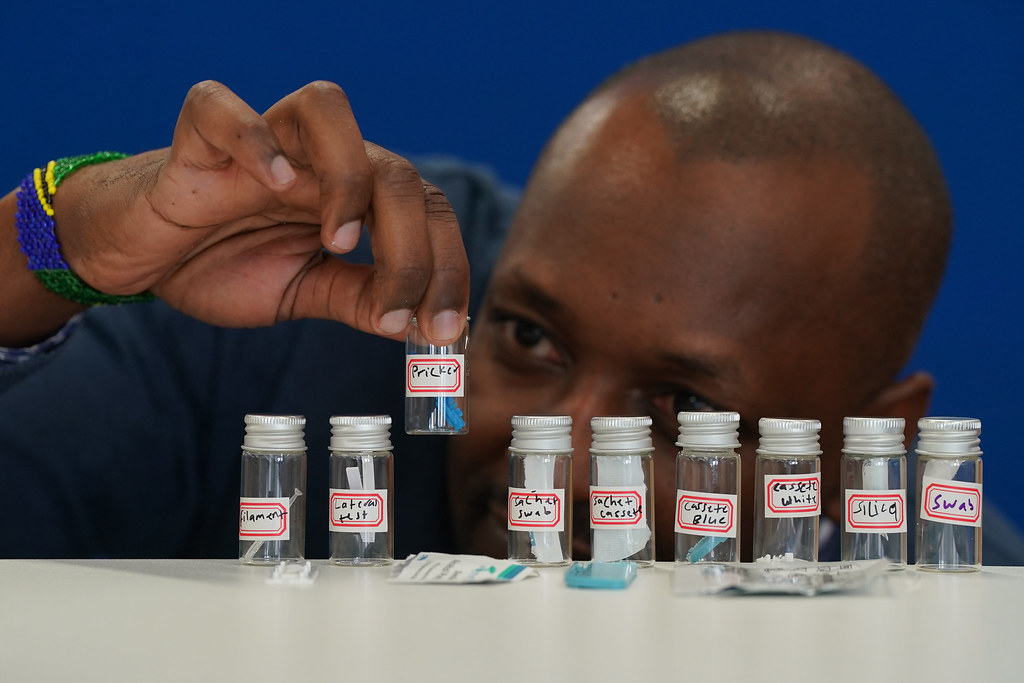
The many components of a deconstructed Malaria RDT kit.
The Deconstructing Devices workshop on Tuesday 27 May 2025 in Edinburgh, facilitated by Millie Marriott Webb, provided insight into how a blend of historical, ethnographic and scientific approaches can help us understand how we are being affected by disposable medical technologies currently being used across the globe.
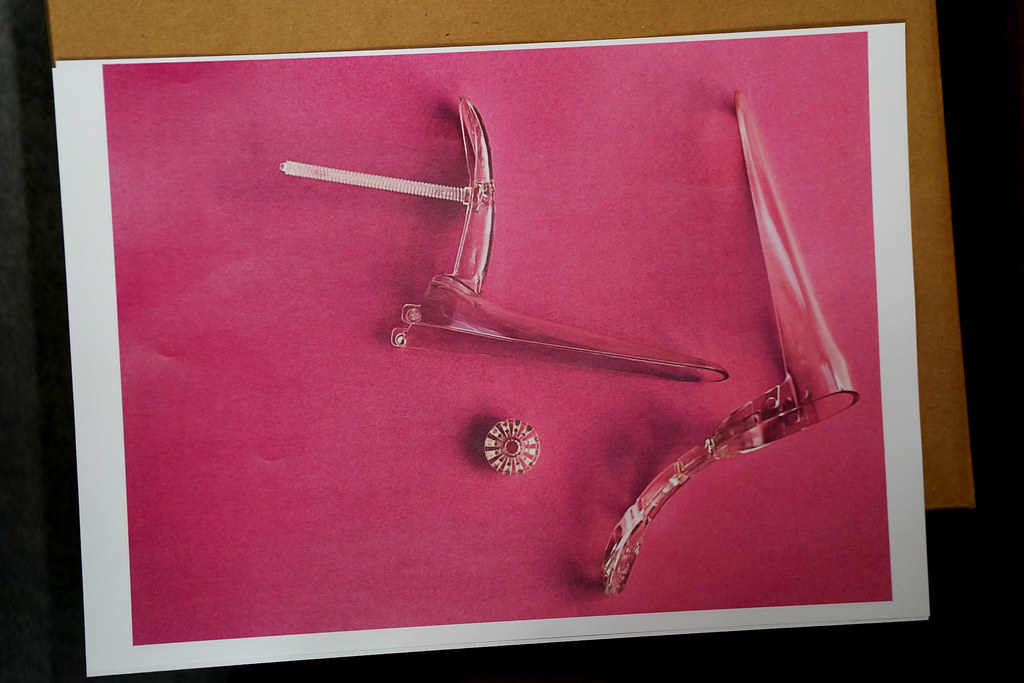
Since the 1970s, single-use plastic medical devices have been taking over the medical industry, promising a safe and comfortable alternative to reusable medical devices. Take, for example, the vaginal speculum. Most women will encounter this device many times in their adult life. From cervical smears to IUD insertions, the speculum is widely used but not widely liked. Even the design looks awkward and uncomfortable, especially the older design of reusable stainless-steel speculum, the sight of which prompts the question, "That’s going where?"
In comparison, the plastic single-use speculum looks less like a torture device. Manufacturers promise a friendlier, more comfortable experience, with more smooth plastic and less freezing cold metal. But with the sheer amount being used once then thrown into medical waste for incineration, are these immediate benefits during use causing different kinds of harms elsewhere?
Of course, a lot of work has been done in investigating carbon footprints and lifecycle analyses, but Millie’s workshop invited us to reflect on how much these tools actually tell us about harms from single-use plastics? Do they really show us the full picture?
A lot of information may be missing from carbon footprints and lifecycle assessments. The contents of plastics can be hard to dissect. Although it’s easy to find the monomers that a certain plastic is made from, this doesn’t include any additives, chemical compounds added to improve the performance or functionality of a plastic. Additives can include plasticisers, antioxidants or antimicrobials, even dyes and pigments to improve the appearance of a product (1). And these additives have the potential to leach out from plastic products into the environment and into the food chain (2). These and more, microplastics, microfibres and toxins, all accumulate to cause subtle, slow-growing harms. It has already been seen in fish, with microplastics causing oxidative stress and stimulating an innate immune response (3), and even in human bodies. One study conducted in 2024 found that human semen can be contaminated with 25-100nm of polystyrene nanoplastics, causing a risk of reproductive toxicity (4).
Lifecycle assessments follow the device from cradle to grave, analysing multiple parameters through the processes of device manufacturing, packaging, sterilisation, delivery and disposal (5) but looking on a larger scale, these may not include all areas of harm. Ethylene oxide is a colourless gas used to sterilise medical plastics and this process involves the release of emissions into the air, causing significant risk for the local environment (6). Although inhaling a small amount of ethylene oxide may not cause any acute issues, over time chronic exposure can increase the risk of cancer, with links to cancers like lymphoma and leukaemia. This puts not only workers, but local populations living in the area (often called 'fenceline communities'), at high risk (7). While harms such as these might be factored into a lifecycle assessment, further social harms are not. Fenceline communities are likely to house greater proportions of minority and low-income residents, but the question of whether these harmful emissions also carry a risk of widening racial and social inequalities is not addressed (8).
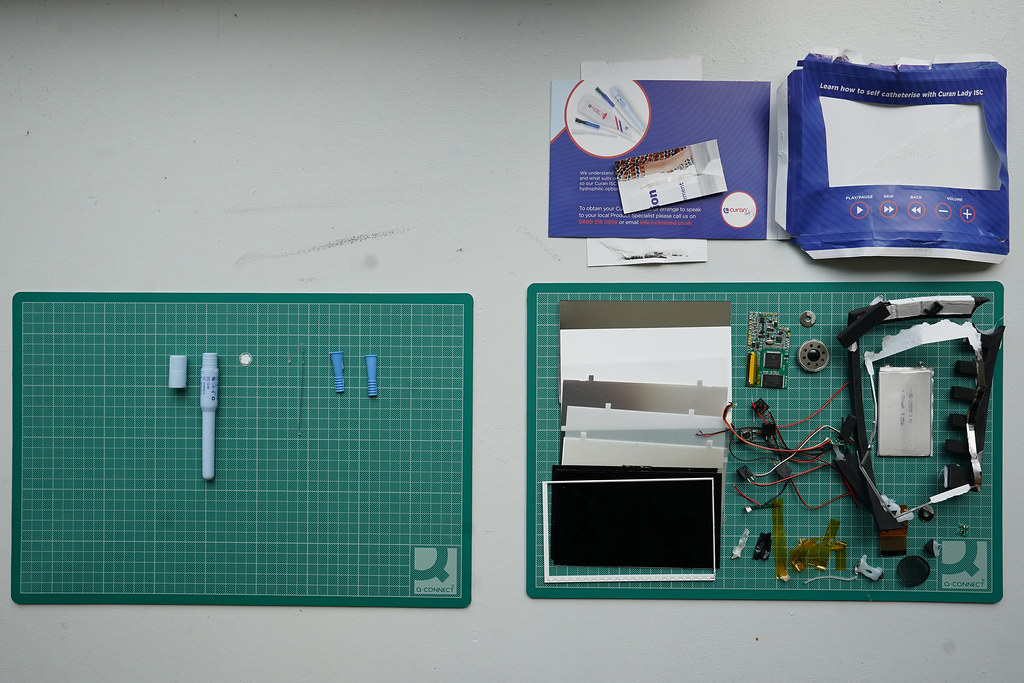
Although the immediate and direct impact of plastics are being studied, we need to delve deeper into who is actually being affected in the long term. This isn’t just toxins leaching into the ground from landfill sites, the impacts of plastics are much bigger than this. Healthcare is running on a bedrock of plastic – used once and thrown away, but it makes me wonder whether there are alternative ways that can provide the benefits of safety and comfort without detriment to the health of us or the environment.
Images courtesy of © STEWARTATTWOODPHOTOGRAPHY
References
- British Plastics Federation. Plastics additives. (2025). Available at: https://www.bpf.co.uk/plastipedia/additives/Default.aspx (Accessed: 23 May 2025).
- Norwegian Environment Agency. Migration of chemical additives from plastic products. (2020). Available at: https://www.miljodirektoratet.no/globalassets/publikasjoner/m1906/m1906.pdf (Accessed: 24 May 2025).
- Pei X, Heng X, Chu W. Polystyrene nano/microplastics induce microbiota dysbiosis, oxidative damage and innate immune disruption in zebrafish. Microbial Pathogenesis. 163:105387 (February 2022). https://doi.org/10.1016/j.micpath.2021.105387
- Chen Y, Cheng C, Xu W. et al. Occurrence, toxicity and removal of polystyrene microplastics and nanoplastics in human sperm. Environmental Chemistry Letters. 22, 2159–2165 (30 May 2024). https://doi.org/10.1007/s10311-024-01752-0
- Stellarix. Sustainability and life cycle analysis in medical devices. (2024) Available at: https://stellarix.com/insights/stellarix-perspectives/sustainability-and-life-cycle-analysis-in-medical-devices/ (Accessed: 23 May 2025).
- EBM Machine. A comprehensive analysis of emissions from medical sterilization plants. (May 2025). Available at: https://ebeammachine.com/a-comprehensive-analysis-of-emissions-from-medical-sterilization-plants / (Accessed: 23 May 2025).
- US EPA. Ethylene Oxide (EtO) Explained. (2025) Available at: https://www.epa.gov/hazardous-air-pollutants-ethylene-oxide/our-current-understanding-ethylene-oxide-eto (Accessed: 24 May 2025).
- Johnston, J. and Cushing, L. Chemical Exposures, Health, and Environmental Justice in Communities Living on the Fenceline of Industry. Curr. Environ. Health Rep. 7, 48–57. (2020). https://doi.org/10.1007/s40572-020-00263-8
