
Research
The production, circulation, and disposal of single-use medical plastics pose significant risks to human and environmental health. These products are often difficult to recycle, release harmful toxins when incinerated and have a substantial carbon footprint, making the healthcare sector comparable to the fifth largest country in terms of emissions.
After the Single Use brings together anthropologists and historians to address this challenge, employing innovative methods to explore how disposability became normal, analyse the lifecycles of single-use plastics, and collaborate with stakeholders to develop sustainable healthcare solutions.
Across eight countries, the research team explore the historical contingencies through which single-use has become normalised, the circulations of single-use devices through places and relationships, and the collaborations entailed in developing more sustainable health care futures.
Text
Contingencies
How and why have disposability norms become embedded in global healthcare systems, and what factors shaped this trajectory? What examples exist of alternative paths not taken?
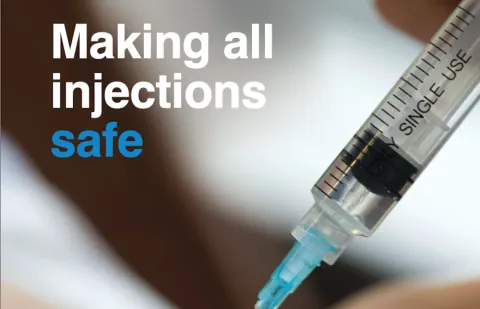
Our health systems were not always built around disposability. Medical masks were made of reusable materials until the 1930s, and the majority of surgical masks were not disposable until the 1960s.
But current practices are not inevitable. The transition to a single-use healthcare economy has unfolded in diverse ways in different locations.
Media
Image
Text
Circulations
How are disposable medical technologies produced, transported, consumed, and discarded, and how do they map onto local, regional, and global scales?
The separation of "clean" technology from "dirty" sites has always been layered onto racialised and classed forms of stratification.
Through historical, ethnographic, and artistic approaches we aim to visualise the harms as well as the putative benefits of disposable, plastic medical technologies over their lifecycles.
Media
Image

Text
Collaborations
How can researchers, policymakers, activists, engineers, and designers work together to build circular healthcare solutions?
Today there is growing international recognition that we need to move to a more sustainable, circular economy for medical equipment.
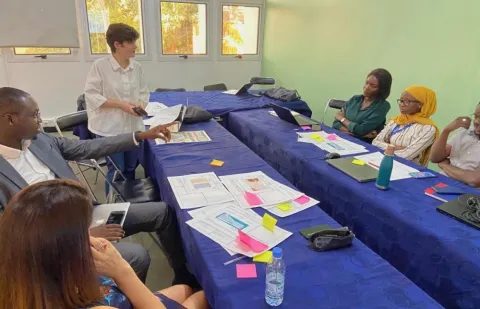
After the Single Use is also a collaborative project, comprising anthropologists and historians spanning four continents, working in close partnership with international NGOs, artists, engineers and policy-makers.
Media
Image
Title
Research Clusters
Title
Research ClustersIntro
Our research clusters enable small-group discussion between collectives of researchers thinking through specific research problems — concepts, objects, and interpretation. They act as points of connection and comparison between our different case study sites.
Title
Hospital Cluster
Title
Hospital ClusterBody
The Hospital Cluster explores the transforming spaces, labour practices, and supply chains that shape and are shaped by the widespread use of single-use plastics in healthcare.
Title
Incinerating Cluster
Title
Incinerating ClusterBody
The Incinerating Cluster examines the ascendence of incineration as the preferred method of waste disposal and the urgency and viability of alternative methods.
Title
Making, Marketing, Moving Cluster
Title
Making, Marketing, Moving ClusterBody
This cluster documents the creation and promotion of disposability in healthcare, creating an archive of R&D, production, regulation, advertising, and dissemination of single-use plastics.
Title
Re-use Cluster
Title
Re-use ClusterBody
The Re-use Cluster examines the history and present practices of washing, sterilising, repairing, tracking, and distributing medical devices in hospitals, clinics, and private practices.