
HIV/AIDS prevention and the overuse of single-use devices in Tanzania
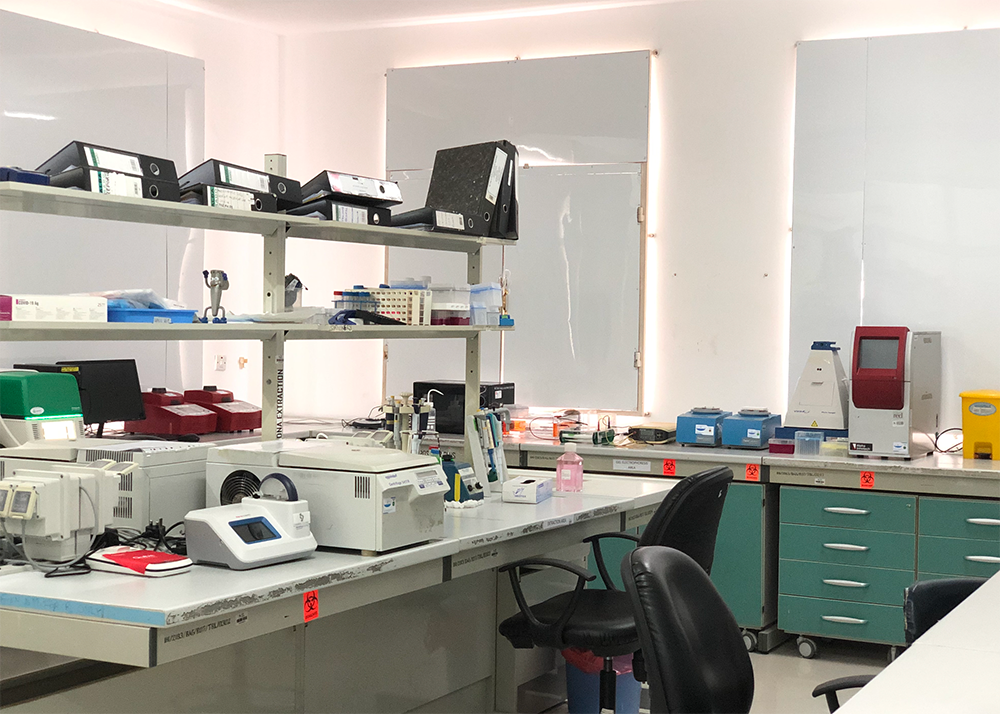
A medical facility in Tanzania.
Body
At HSS 2026, Andrea Azizi Kifyasi presented ‘HIV/AIDS Prevention Strategies and the Overuse of Single-Use Devices in Tanzania, 1980s–2000s’ as part of Plastic Amnesias I, chaired by Anne Kveim Lie.
The presentation examined how the of the HIV/AIDS epidemic in the 1980s hastened the production and adoption of single-use products. Plastic devices were believed to effectively minimise the transmission of the virus between individuals. However, their excessive use has severely impacted the environment and complicated waste management, becoming an unmanageable burden for low-income countries, particularly in sub-Saharan Africa, where prevalence is high. Studies available have extensively examined how the treatment of HIV/AIDS has depended on single-use products.
The presentation, while recognising the value of existing research, concentrated on prevention campaigns, which were central to the Global Program on AIDS (GPA) prior to the advent of Antiretroviral therapies (ARTs) in 2004. It explores how prevention strategies backed by the GPA and various local and international agencies promote the production and use of single-use plastics like condoms, disposable syringes, and gloves. It also examined how waste management knowledge was disseminated alongside preventive campaigns and assesses their overall effectiveness. It argued that local and global HIV/AIDS prevention programmes have increased the production and use of plastic products, leading to disposal challenges in low-income countries like Tanzania, which lack the robust economy and advanced technology to manage plastic waste, thereby impacting the environment. The presentation employed qualitative analytical methods on relevant archival, oral accounts, and published sources.
Read more on the double panel at HSS: here.