A history of the medical mask and the rise of throwaway culture
Body
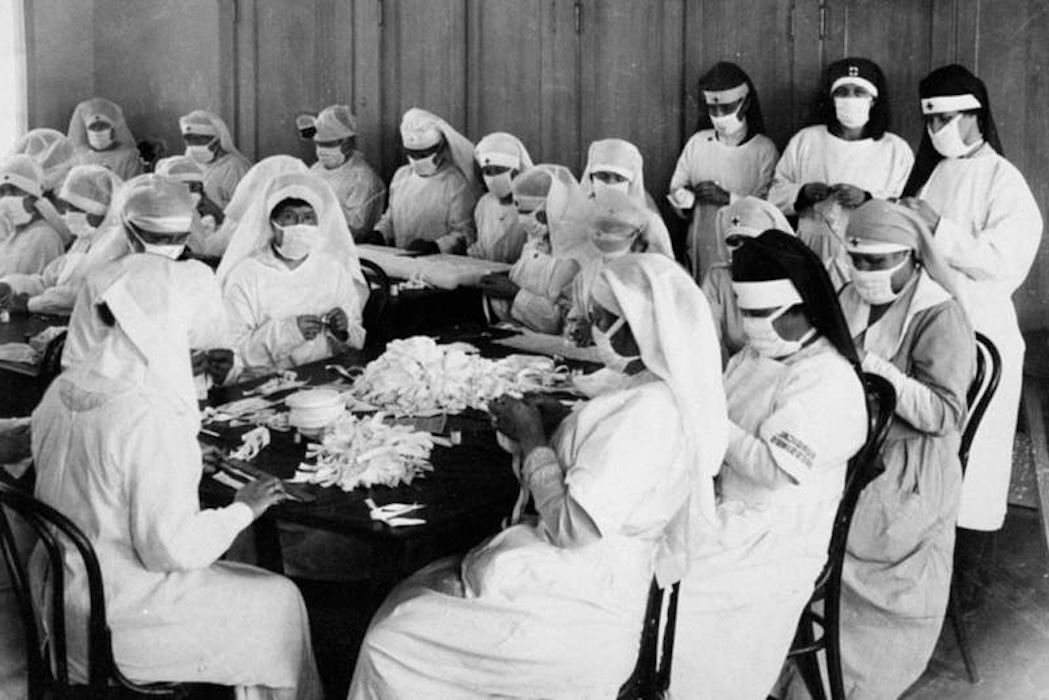
The evolution of medical masks from reusable to disposable since the 1960s reflects the rise of a broader throwaway culture in health care. Initially developed for infection control, reusable masks were effective and designed for longevity. However, driven by convenience, cost reduction, and aggressive marketing, disposable synthetic masks replaced them, with little research comparing their efficacy. This shift created a fragile supply system, exposed during the COVID-19 pandemic by mask shortages. The emphasis on disposability over durability highlights systemic vulnerabilities and raises concerns about sustainability. Revisiting well-designed reusable masks may strengthen resilience against future global health emergencies and supply disruptions.
Full citation
Strasser, Bruno J., and Thomas Schlich. ‘A History of the Medical Mask and the Rise of Throwaway Culture’. Lancet 396, no. 10243 (4 July 2020): 19–20. https://doi.org/10.1016/S0140-6736(20)31207-1.