
Photo Stories and Photo Voice: Collecting Things in After the Single Use
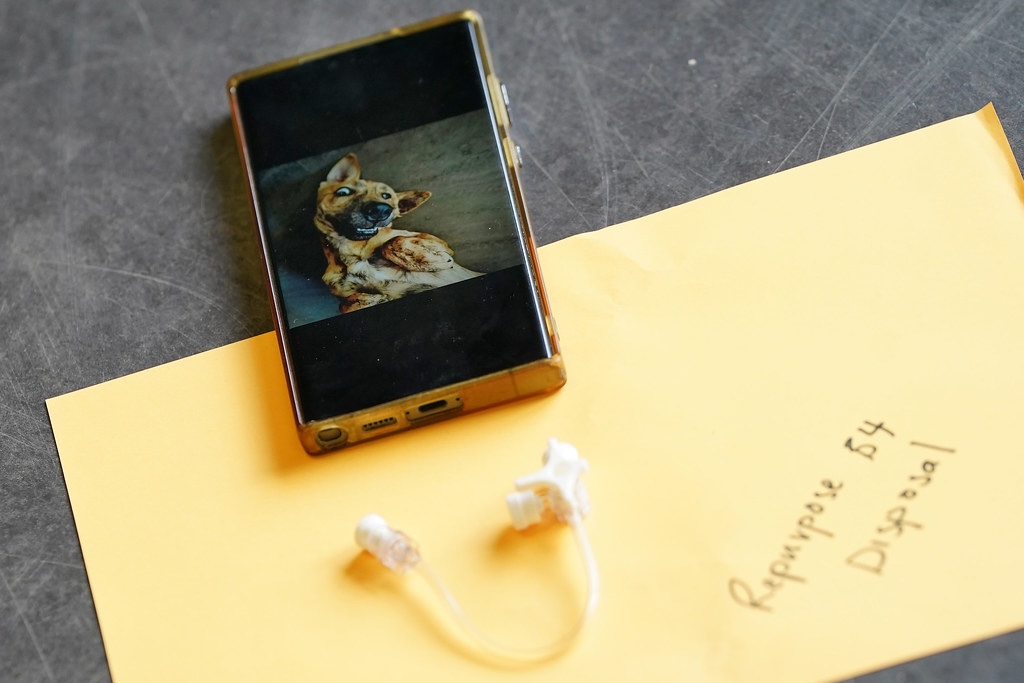
Images alone do not tell the whole story.
Single-use devices have become common in healthcare delivery worldwide, including in countries at various levels of development. During our first collaborative workshop, held in Edinburgh in May 2025, participants explored this issue through the theme of photo stories and photovoice. The discussion focused on ways to incorporate photographs and photography into our research on the lifecycle of single-use medical devices.
The Photo Stories and Photovoice session, facilitated by Rebekka Saeter from NOBA, centred on a core research question for the project: How might historical, ethnographic, design, informatics, and artistic approaches help us visualise both the harms and the potential benefits of disposable medical technologies throughout their lifecycles, with particular attention to their uneven impacts across lines of race, class, ethnicity, and social vulnerability?
Held on the final day, the session was dedicated to exploring how different techniques for photographing, strategies to enhance the photography process, and approaches for collaborative photography, can enhance our research.
This thematic area was introduced by Jamee Newland with a presentation titled “Visual Research and Representing Realities.” Drawing from her own experiences of the COVID-19 pandemic, Jamee explained how photography in social media and blogs played a significant role in capturing and conveying the realities of the pandemic. In many countries, many photos depicted locked gates and abandoned vehicles visual metaphors symbolizing restriction, uncertainty, and abandonment. These images reflected not only the restrictive measures imposed on populations but also the profound sense of loneliness brought about by the ambiguity and fear surrounding the disease. She emphasized that researchers must develop a deep understanding of the context and attributes of their study to avoid misinterpreting visual metaphors. As noted during the discussion, “images alone do not tell the whole story.”
An illustration from her personal experience in Papua New Guinea (PNG) demonstrated how the power of photo stories and photovoice could capture lived realities. The experience from PNG explored how gender and sexuality are visually embedded in everyday life and social structures through the use of photo stories. This case study focused on the contrast between participant-produced images which have the power to empower and researcher-produced images, which can be more interpretive in nature. However, it was also noted that researcher-produced images can sometimes be extractive if not handled with care. Therefore, developing a deep understanding of field realities is a crucial step in the research process. Photographs and their accompanying narratives serve not only as tools for dissemination but also as collaborative platform for community engagement.
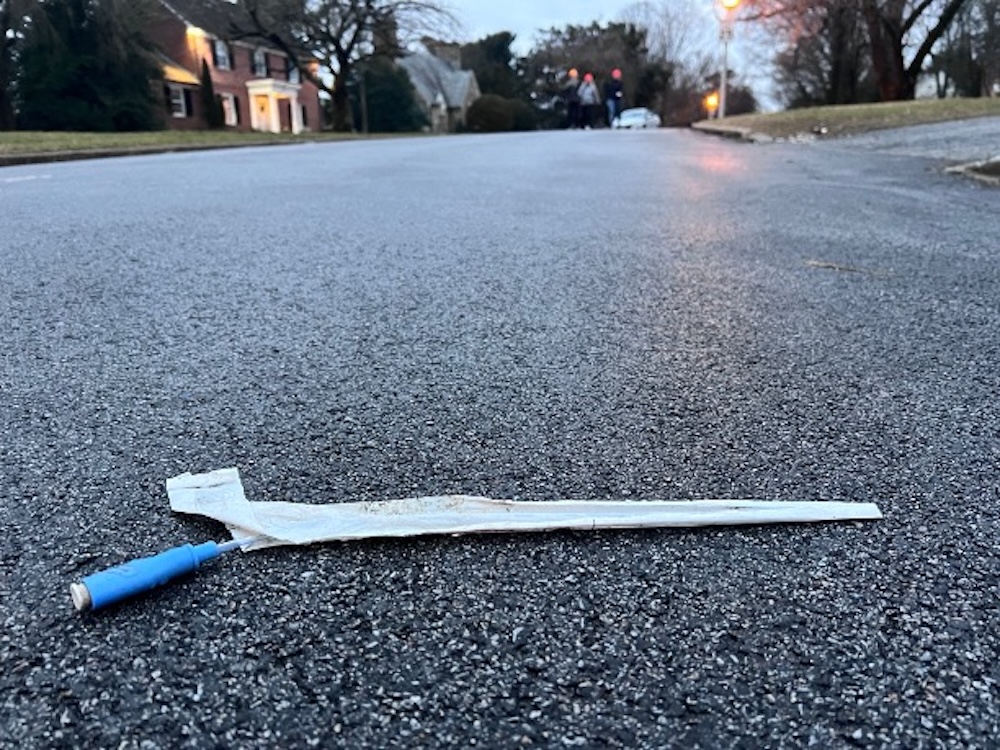
The presentation further emphasized the value of walking interviews as a key ethnographic methodology. This method typically involves conducting interviews while moving through meaningful places, thereby enriching the conversation with spatial context. It allows researchers to simultaneously map geography, memory, and meaning. We were also introduced to the “SHOWeD” technique for photo interpretation, which is a framework used to analyse photographs in group discussions. This method guides participants through a series of questions: What do you see? What is really happening? How does this relate to our lives? Why does this situation exist? How can we become empowered? What can we do about it? The “SHOWeD” method is grounded in an active participant involvement throughout the research process, using photovoice as a powerful tool for communication and expression. Such practices empower the communities involved in the research, fostering social change. Given its focus on engaging specific participants within researched communities, this approach is particularly effective at amplifying the voices of marginalized groups.
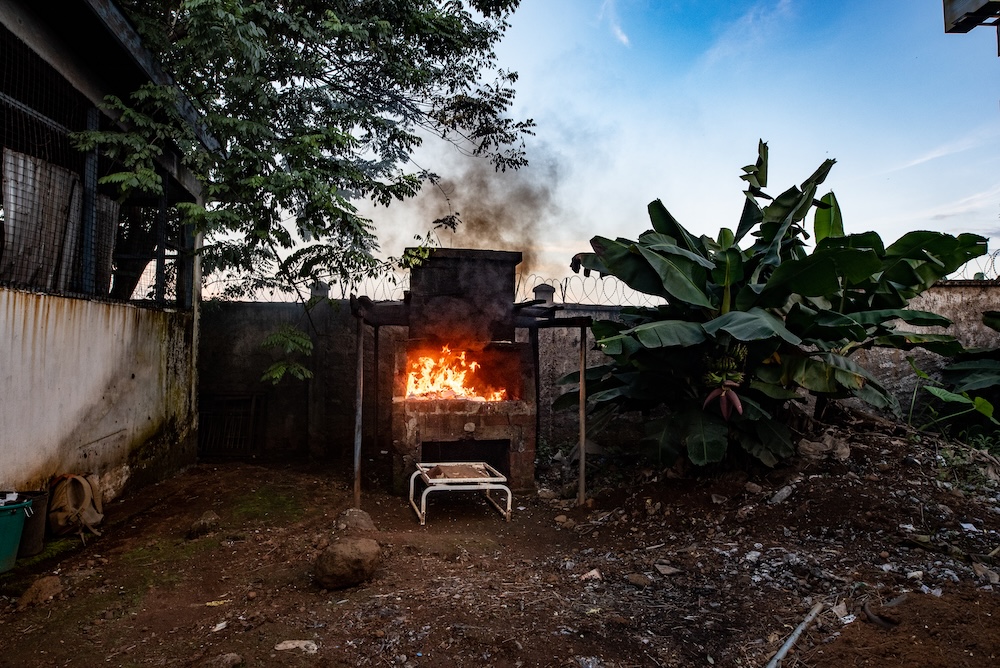
A second presentation by Peter Mangesho demonstrated the power of photography through images of old pharmaceutical devices, mostly bottles in overgrown grasses, symbolising abandonment and memories of medical waste management approaches in Tanzania, characterised mostly by open burning and burying in parts of health facilities. Additionally, he introduced an interest in classic portraiture, exploring the balance between aesthetics and context, by capturing historical and current medical waste management practices in time and space. This led to a discussion centred around an important question: How do we position ourselves as critics? - a prompt that encourages reflection on our own gaze and interpretation of photographs representing old practices and those promoting modern approaches in health care. Such self-reflective questions are crucial for strengthening the researcher’s position during photo interpretation.
Following reflections from researchers, a group discussion was initiated, covering photography, representation, ethics, and legal aspects. Participants emphasized the need to ensure consent, even when a photograph does not include a human subject. For example, taking a photo of a Moon Cup, although not depicting a person, still requires consideration of consent and context. This highlights the importance of observing ethical and legal considerations in photography, as objects can carry intimate meanings, particularly in health research. The discussion also addressed archival photography and copyright, drawing on an example from 1946, where a rare image of surgical bandages provided unique visual documentation of medical manufacturing. This raised important questions, including: How can archival images be ethically reused? Should image rights be purchased for future dissemination? And what is the value of preserving rare historical documentation?
Further discussion focused on collaborative image repositories. Participants proposed using platforms like Tropy to create shared visual accounts among collaborators, both internal and external to the project, as such platforms enhance transparency, mutual ownership, and collaborative storytelling. Visual ethnography was highlighted as an area of strong interest, particularly in its use as a data collection tool.
Participants underscored the need for obtaining permits to address both ethical and legal implications. Photographing in medical settings such as hospitals and clinics must adhere to strict ethical approval processes from within study sites and institutes. This includes obtaining informed consent even for seemingly minor or non-human subjects since images of patients or identifiable individuals carry significant legal and ethical responsibilities for the researcher.
The discussion was further extended to dissemination pathways, considering the modalities and possibilities for sharing photos. The process of sharing must address the following important questions: Will the photos be used in academic publications? Exhibited in community spaces? Shared on digital platforms? Our discussion revealed that each dissemination pathway carries distinct risks, audiences, and ethical responsibilities. The dissemination process should be guided by existing copyright and fair use principles. Additionally, the discussion highlighted the ongoing ambiguity surrounding what qualifies as fair use, particularly across international contexts, given the varying laws and institutional policies in different countries. This underscores the need for researchers to be well-versed in institutional, national, and international copyright policies, as well as in the expectations of study participants and research partners. The discussion also emphasized the importance of considering data management and photo/image storage as integral components of the research process. There is a clear need for a Data Management Plan to govern all visual materials. This plan should clearly outline how photos are stored, who has access to them, and the processes for sharing and archiving them.
