
Circulations: Pathways of Production, Use, and Discard in Medical Technologies
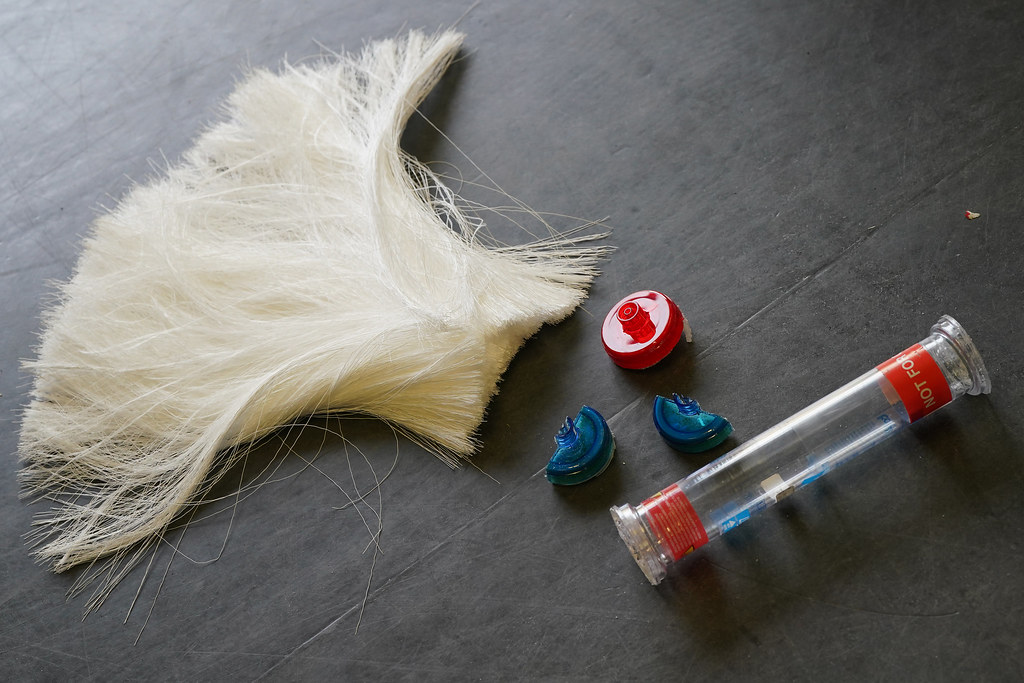
A deconstructed haemodialysis filter.
The use of single-use devices has become normalised in healthcare settings, while sustainability is simultaneously emerging as one of the top development priorities globally. The second day of the After the Single Use project’s first collaborative workshop, held in Edinburgh in May 2025, addressed this conundrum through the theme of circulations, centering on the movement of single-use medical devices across their lifecycle.
The circulations session, which was facilitated by Peter Mangesho, centred on a core research question for the project: Through what channels are disposable medical technologies produced, transported, consumed, and discarded, how do they map on local, regional, and global scales, and what relations between persons, places, and things do they foster?
Discussion focused on the methods by which we could follow the entire supply chain for single-use healthcare products - including production, applied technologies, marketing, storage, procurement, transportation and distribution, consumption and disposal.
The multidisciplinary and international team brought a wide range of experiences from different countries, each with varying levels of economic development, as well as differing practices in the manufacturing, supply, and disposal of single-use medical devices. Although the adoption of single-use medical devices has been normalised under the justification of scientific advancement, this project calls for a rethinking of that narrative - both within and beyond the healthcare sector. This re-evaluation should actively involve producers, service providers, policymakers, the private sector, and all stakeholders engaged in the entire lifecycle of single-use medical devices.
The presentations began with an introduction and provocation by Peter which laid the foundation for subsequent discussions on the circulation of single-use medical devices. Each participant brought a single-use device or object that is commonly used in different settings. During the discussions, there was a shared understanding that the circulation process involves a range of stakeholders, each holding varying levels of power - from manufacturing through to the end use of the devices.
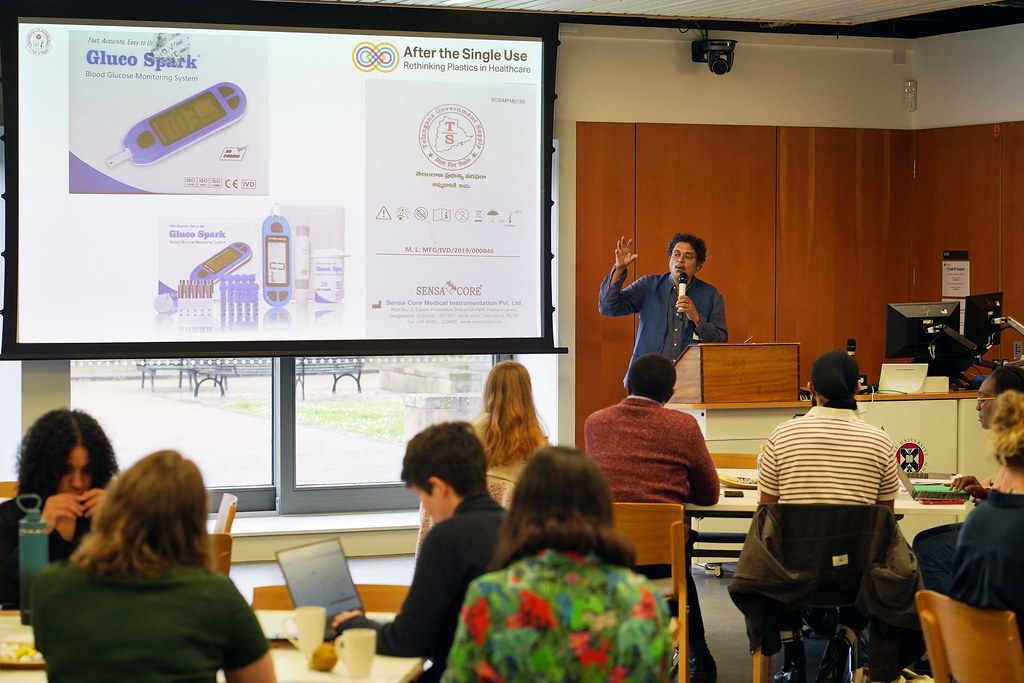
Nanda Kishore Kannuri’s (Nandu) provocation drew on experiences from India, using an anthropological lens to examine the lifecycle of diagnostic technologies in Hyderabad. The discussion focused on medical film, which was used across thousands of healthcare facilities within a single Indian state. Notably, used biomedical film waste was repurposed for silver extraction, transforming waste into an economic opportunity. However, this practice exposed individuals - particularly those from lower-caste communities who often engaged in such work - to significant health risks. The use of other single-use devices, such as glucometers, was also widespread and contributed to a growing burden of waste disposal at the community level. Despite the normalization and proliferation of single-use devices, even simple, localized innovations can evolve into single-use technologies, further contributing to plastic waste. Nandu's provocation opened the space for critical ethnographic questions, such as: How do social divisions such as gender and marginalization shape participation in medicine and its systems of disposability? And where does ethnography fit in understanding these complex intersections?
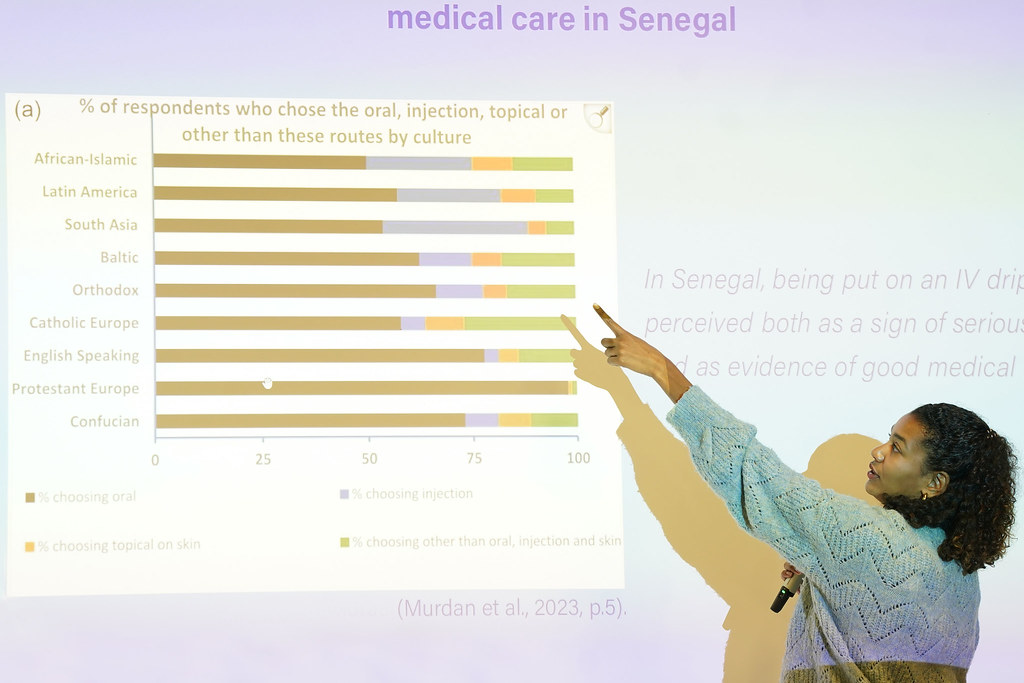
Drawing from provocations based on experiences in India, the next session explored how team members have used – or plan to use – itineraries, lifecycles, and biographies of specific devices in After the Single Use and related projects. The goal was to exchange ideas on methods and data sources to address our core research question of circulations. This set the stage for a provocation by Tikam Sall, who used the example of disposable IV infusion sets to illustrate their cultural significance in Senegal. Notably, receiving an IV is perceived as a sign of serious illness and high-quality care. Interestingly, the circulation of this device can be traced from its design in California, to mass production in China, and eventual use in Senegal. Along this global supply chain, numerous processes are carried out by different actors and organisations, each holding varying degrees of power. Ultimately, the device—classified as single-use—is disposed of in Senegal, raising important questions about global supply chains and the local meanings attached to medical devices.
Following the provocations, the team of experts worked in small groups to track the circulation of selected devices, all of which were part of blood collection systems. Vacutainers and blood collection bottles are commonly used in many of the countries represented by the participants. However, butterfly needles are reported to be widely used across all levels of care in both the United Kingdom (UK) and the United States (US). In contrast, their use remains mostly limited to tertiary care settings in developing countries such as Tanzania and Senegal. In contrast, syringes are more commonly used for blood extraction in primary care and lower-resource settings within these nations.
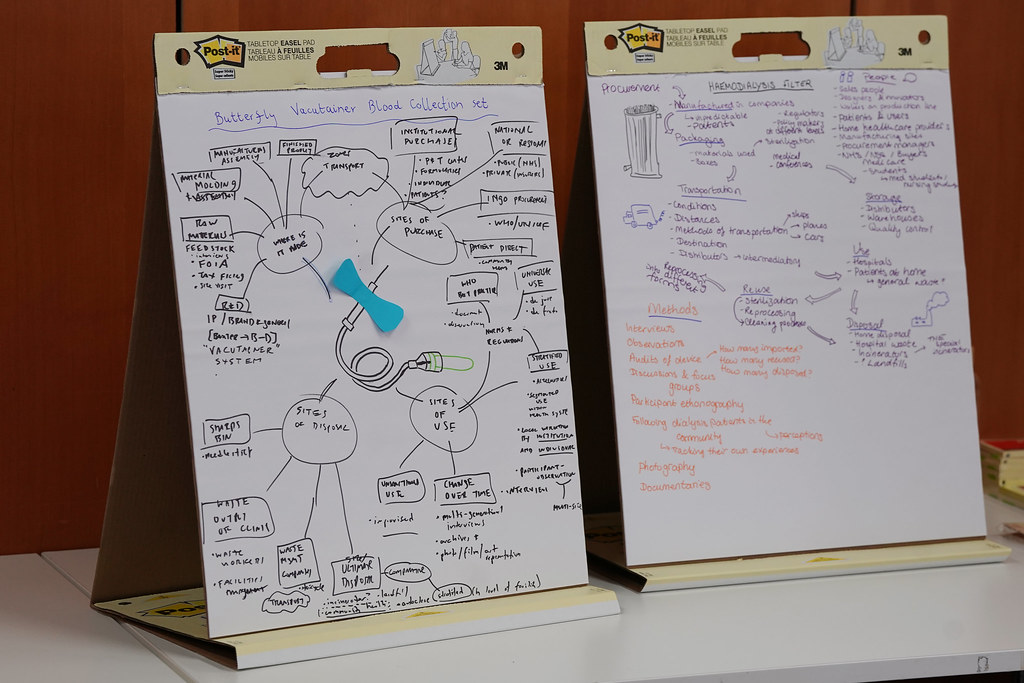
One of the key activities of the workshop was the ongoing discussion on embedding ethnography into efforts to address questions about the circulation of single use medical devices. The aim was to explore how ethnographic thinking can be integrated into research on the lifecycles of medical devices. Central to this discussion were questions such as: When should we critically assess a device’s components and its necessity? Who determines that a device is needed? These questions can be explored through mapping device flows, identifying key stakeholders, understanding the infrastructure that supports circulation, and building partnerships with institutions across different countries.
Images courtesy of © STEWARTATTWOODPHOTOGRAPHY
