
Contemporary Technology Collecting
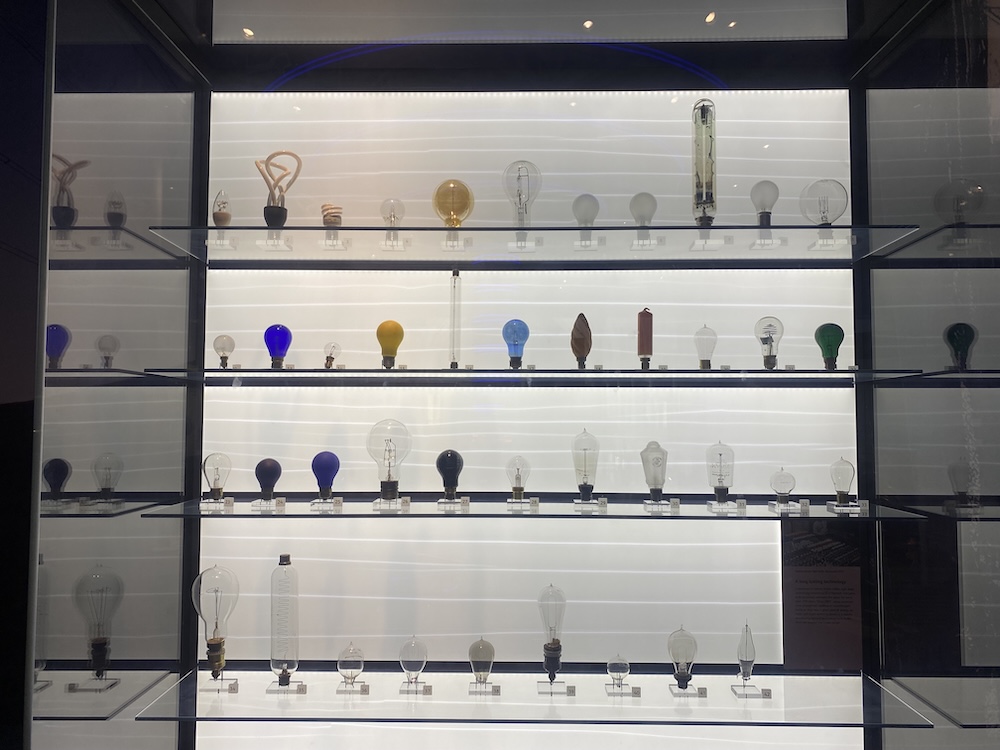
Rows of different lightbulbs in the Energise Gallery.
Anthropologists, historians, and social scientists frequently pick up objects that speak to our research. The collection and documentation of these objects as a distinct approach to material culture – the relationship between people and things – is, therefore, an important method in our research. The objects, such as documents, technologies, objet d'art, photographs, books, and collections, can tell different but often complementary stories of identities, experiences, and relationships, stories that speak to use and choices. Given our project’s focus on single-use plastics in the medical field, it is anticipated that we will uncover many important objects during our research, which made this session’s focus on the collection, curation, and exhibiting of objects and the exploration of possibilities for collaborating with museums and curators important and timely for our project.
On Thursday 29 May 2025, Ellie Swinbank, Senior Curator, Technology, National Museums of Scotland (NMS) gave a presentation on contemporary technology collecting to the project team. She began this presentation with a broad overview of what contemporary collecting is, locating this discussion in how people often think about how museums are about history; yet a focus on the contemporary is also about creating a record about the present and a forum to discuss contemporary issues. In many exhibitions today, collections of modern objects often sit alongside historic objects, creating a visual and narrative juxtaposition of the traditional and the contemporary across an issue or theme.
There are no hard and fast definitions of what contemporary collections are, but contemporary collecting is recognized as a distinct type of collecting, one that tells a story of how objects were made and used or were particularly relevant over the last decade. Ellie explained how recently, contemporary collections have focused on science and technology - including tangible objects like equipment, prototypes, new products, and models - and of social movements embracing the environment, diversity, and popular culture. A contemporary collection of objects and artefacts that she described as speaking about history and of connections. At times, such as the Black Lives Matter movement, they also require a rapid response to collection, when it is important to be reactive and document events as they are occurring, attending to the more traditional work of collecting – such as paperwork – later. Ellie also spoke to how these recent contemporary collections have required a more cross disciplinary and collaborative process for collection, one that requires developing a strategic and ongoing communication strategy across collections, thinking through how to care for and conserve these contemporary objects, and how to digitize these collections.
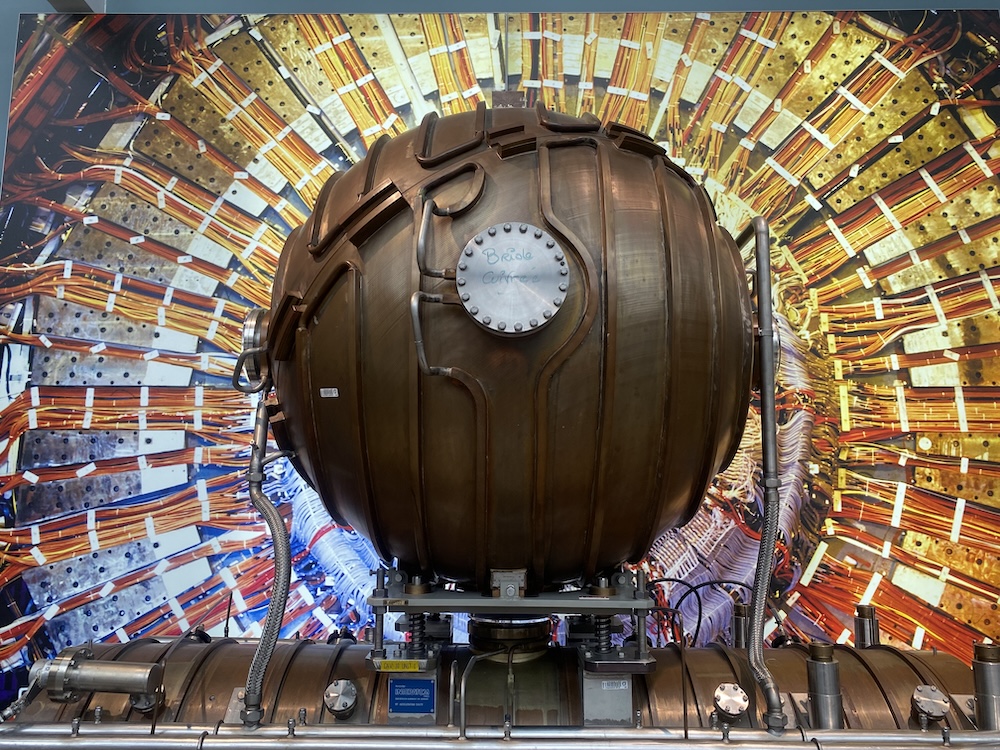
To highlight how contemporary collections are documented, stored, and curated in practice, Ellie spoke of her experience – and interest – in the generation and distribution of energy and renewable methods (both historic and contemporary). She spoke of the Energise Gallery, which opened in 2016, where historic and modern objects sit side-by-side to tell a continuous story about energy and renewable energy: one whereby contemporary objects throw a new light on historical objects and can provide a space to reconsider our accepted narratives about the history and development of these objects. This exhibit used the curation of contemporary objects to tell a story about technical aspects of energy and renewable methods, including stories and photos of the workers who worked on the different technological objects, and the story about what happened next to the object and the team in terms of development. Ellie also described how the exhibition of these objects can be reworked through curation and exhibition to question and celebrate and provide space to talk and address both the solutions and problems of science and technology products and innovations.
Contemporary collecting aims to collect objects that are interesting now, however, Ellie also stated that there is no crystal ball to know what may be interesting in the future. She relayed how contemporary acquisitions are like playing the long game as these objects are more likely still in development or use and one can never know what interest these objects will have in the future. The process of contemporary collecting therefore requires careful documentation of an issue, movement, or product at a moment in time and creating an interesting and comprehensive material record that can be used now and in the future. Providing a story at a point in time – now – but also future proofing collections.
This session was important for our team’s understanding of best practice in contemporary collecting and how we need to think about the types of objects we collect, the kinds of information and data we collect alongside the objects, and potential ethical/IP issues. We look forward to sharing and discussing our collections on single-use plastics across our eight countries as the research evolves.
